"Important with initiatives,
that strengthens mental health"
"Unfortunately, I had a long period of anxiety in connection with the cancer I was diagnosed with when I was 35 years old - an illness that I fortunately recovered from physically, but not mentally. It took me a few years before I completely got rid of that anxiety - and I can still fall back into the same mindset if I'm not aware of it."
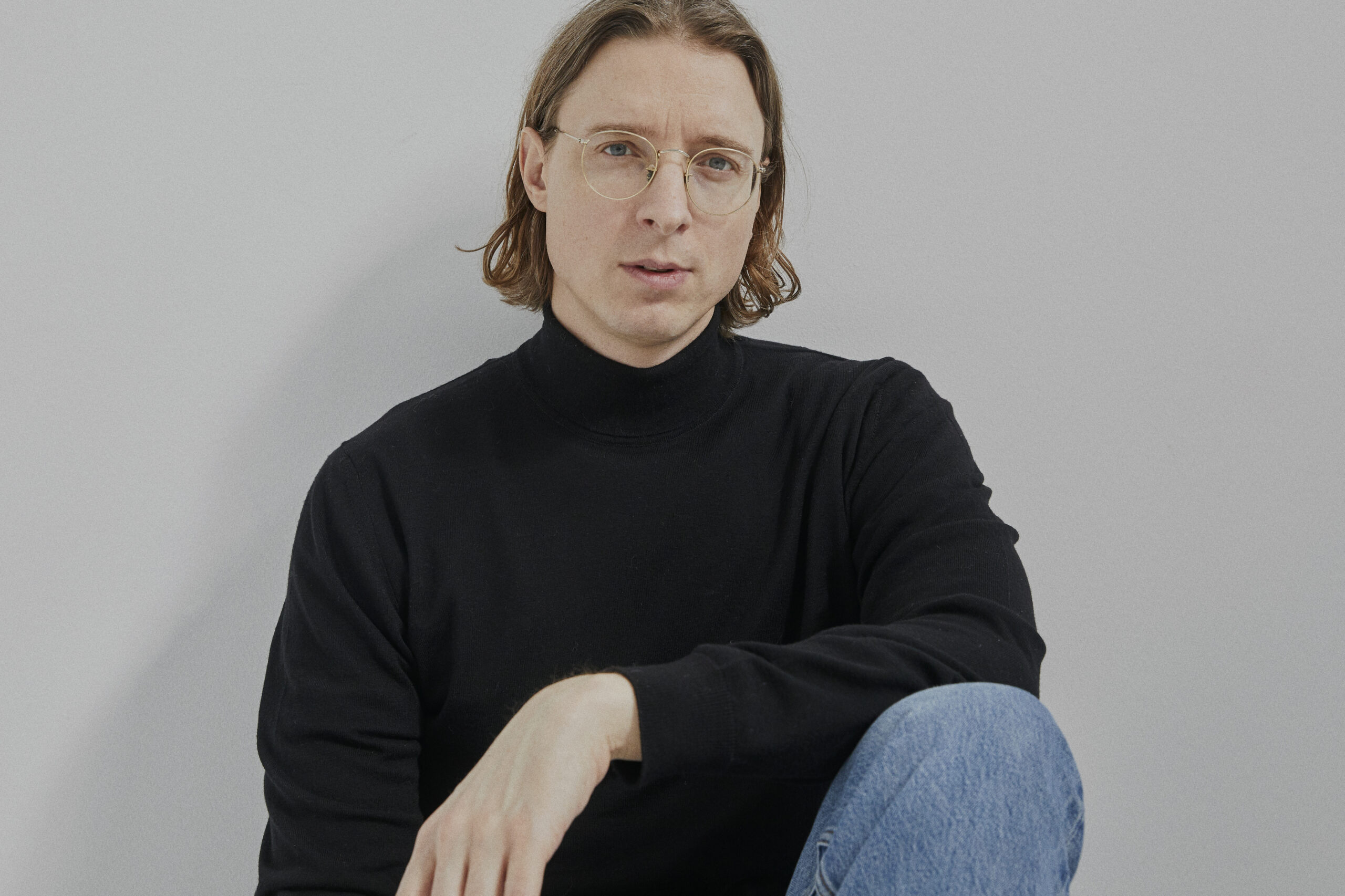
These words come from 47-year-old producer, DJ and manager Kasper Bjørke. Over the past two decades, he has released a number of albums on foreign labels, toured the world, produced albums for Jacob Bellens and others, and began his career as part of the disco-house duo Filur back in the early 2000s. In recent years, he has also worked as a manager for a handful of artists, including Trentemøller and Oh Land.
"Fortunately for me, music turned out to be the best form of therapy. Ambient music in particular gave me the basic meditative calm to be able to let go of anxiety when it came. During that period, I started working with ambient music myself. And it ended up being a self-healing process when I produced Kasper Bjørke Quartet's debut album "The 5011 Project," released in 2018."
Over the past year, Kasper Bjørke has started to experience stress in a way that has ended up affecting him physically and mentally - in some of the same ways that anxiety did.
"It's pretty scary to experience for me. But it's probably not surprising after more than 20 years in the music industry at full speed - and when I also want to be a good father who is there for my two children," says Kasper Bjørke.
"That's why I've set up a new framework for myself in terms of the hours I work. And when I take time off, I actually take real time off. It hasn't been like that until recently - but I've had to do that now to avoid potentially ending up on sick leave."
Basically, Kasper Bjørke often has too much work for the time he has available. And he is very aware that pushing himself too hard is not healthy for him in the long run. He wants to prioritise his two children and family life.
"So I'm constantly trying to get better at being aware of that when I say yes or no to new projects. I don't want my work to be more important than my family life."
SvAches and meditates
Kasper Bjørke takes his mental health seriously. This is not only reflected in the way he prioritises striking a healthy balance between work and family life. He also takes an active approach to a number of other parameters that combine to keep stress at bay and strengthen his mental wellbeing.
"At the moment I swim several times a week. It gives me peace of mind. At times, I also take intense programmes with a private trainer in Reformer. I use the Headspace app for daily meditations and practice being aware of breathing deeply and counting my breaths when I feel stressed. I also take various supplements to keep my body in balance. And to sleep better, I take melatonin in spray form and sometimes also the natural food supplement GABA."
Talking to a career coach has helped him figure out what to focus on - including prioritising time to do something for himself that has no higher purpose or goal. So it's not all about performance.
"And I can really recommend the personalised "Focus" setting that the iPhone has, which I only recently discovered. It allows you to filter out work emails, messages and calls and selected apps, such as news and social media, within specific times and locations," he says.
"So in the evenings, at weekends or if I'm at the holiday home with the family, for example. I'm at the holiday home with the family, that function automatically switches on. It's great when technology can help give you more time instead of taking time away."
Kasper Bjørke is also very conscious about his use of social media. And he is careful about how much time he spends on it and what he posts. For example, he doesn't share a lot of personal photos or selfies.
"I don't want that type of dopamine reward and I'm very clear that the algorithm is penalising me for it. I think a lot about what it will be like for my kids when they grow up and maybe want to be part of that culture. Until then, I'll try to set a good example for them and talk to them about what's good and bad about social media."
He is happy that Instagram has made it possible to hide the number of likes from posts.
"I use this feature regularly and I'm also very aware that the algorithm is crucial for my posts to get a wide reach. I primarily use Instagram as a professional tool to share my new releases, upcoming DJ gigs or music with the people I work with."
The more prepared, the less stressed
Kasper Bjørke released a new album this autumn. And he is always very conscious of looking after himself in the run-up to a new release. He spends time going through the PR plan with the record label, including the content and posts to be made. Everything is planned in advance and put into a calendar.
"The more prepared both myself and the label are, the less stressful launching a new album is for me," he says.
both myself and the label are, the less stressful it is
launching a new
album for me."
"I get stressed if things are not under control. I don't get stressed about whether what I put out is good enough or whether I'm good enough. I think most people know about Imposter Syndrome, but I try to remind myself that music is subjective. If someone doesn't feel the same way about what I've done, like a reviewer, it's okay. a reviewer, that's okay. The most important thing is that I'm happy with it myself. Recognition is always nice, of course. But that's not the reason why I make music. I do it because I can't help it."
Time for new initiatives
He is pleased that the debate about mental health in the music industry has gained momentum. Several people have come forward to talk about everything from anxiety and stage fright to drug and alcohol abuse. Since then, there has been a significant and clear debate on the subject, which has led to a number of initiatives, including health insurance and a greater focus on mental health from several of the music companies.
"It's especially important when it comes to upcoming young artists. They have grown up in a time with, in my opinion, a very unhealthy culture of perfection, especially on social media. It's important to recognise how it can affect young people in particular to have to be a good artist in all parameters - and that's hard in itself - and at the same time be constantly on social media. They have to deliver new content and feed the algorithm with new content to stay "relevant" in the performance-driven culture. At the same time, it can be understandably difficult to show vulnerability in the midst of all that," says Kasper Bjørke and adds:
"That's why it's important to have initiatives that strengthen mental health and measures that can proactively help people who are vulnerable."